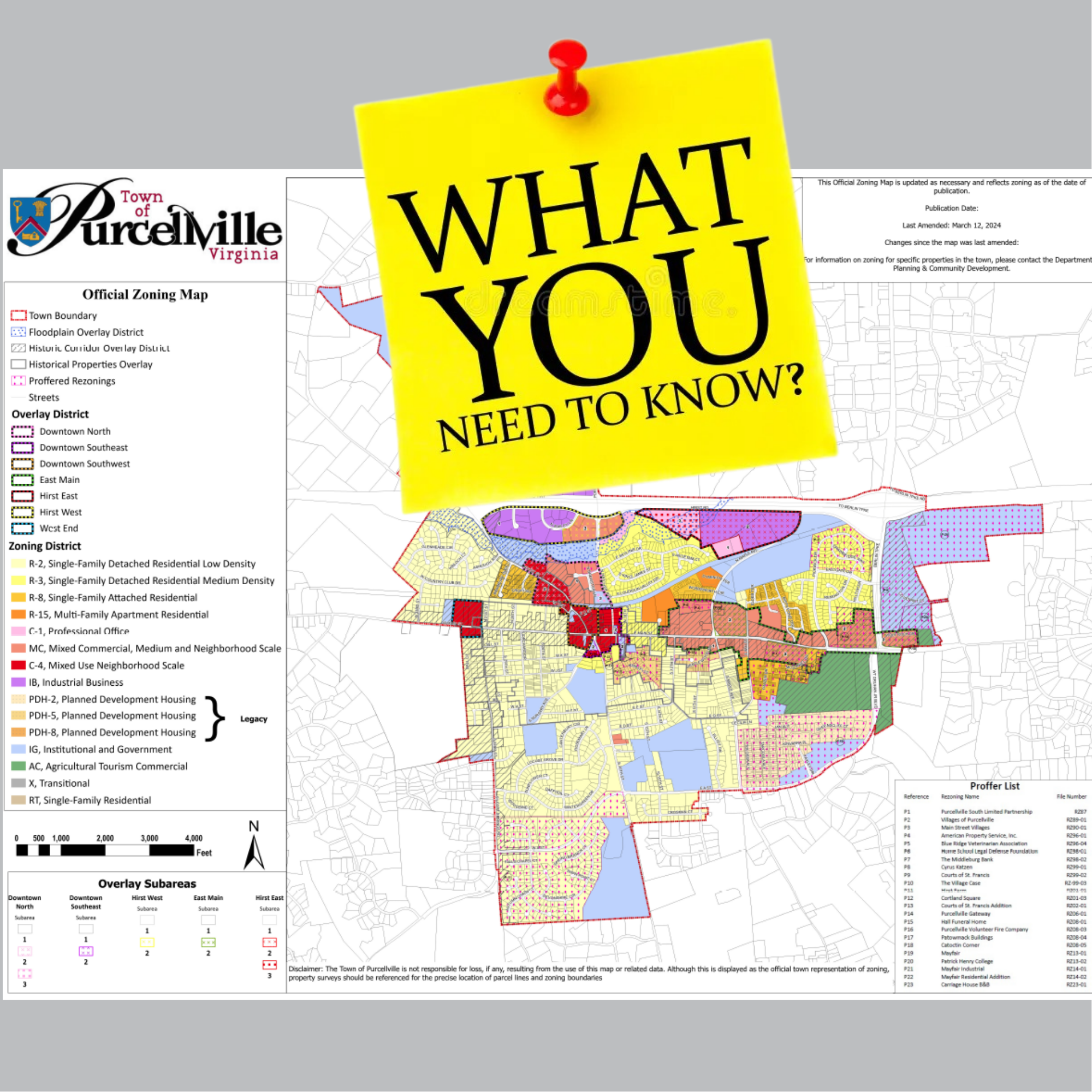
With the ongoing efforts to revise Purcellville’s Zoning Ordinance reach a critical juncture, the Town Council recently held a public hearing on March 11, 2025, to gather feedback from citizens and businesses regarding the proposed changes. This update has been a lengthy and complex process, initiated in January 2022 when the town enlisted ZoneCo to assist in the ordinance overhaul. This endeavor has now spanned three years, involved multiple Zoning Administrators, and seen several changes in the Planning Commission’s membership.
Despite the lengthy timeline, the Planning Commission expedited a public hearing on the draft zoning ordinance on July 24, 2024, which raised concerns among citizens and town staff. Critics argued that the process was rushed, leading to the approval of a draft that, while addressing some issues, left many known concerns unresolved. Following the public hearing, the Commissioners responded to some significant changes to protect existing property owners by creating legacy districts and grandfathered ordinances. However, these districts were later removed from future approvals, which limited creative designs and housing options in Purcellville.
The most significant concern among citizens was the reintroduction of the Historic Preservation Overlay District. The Town Council had voted against this overlay in 2022; however, Commissioner Ogelman requested its revival in 2023, coinciding with the election of new Town Council members. The Historic Preservation Overlay District, as currently written, requires qualifying homes to seek Purcellville’s approval for demolition. Residents have expressed concern that this may be the first step toward establishing a true historic district, which would mandate Town approval for all exterior renovations. Commissioners have often stated they are taking “baby steps” in developing the Historic Preservation Overlay District.
On October 17, 2024, the Planning Commission received a detailed overview of the zoning ordinance from Director of Zoning Summer Wilkes. She stated that the ordinance “mostly achieves the goals of the comprehensive plan,” but also recognized that “there are significant points of departure where the staff disagrees with the Planning Commission on the proposed changes.”
Following the recent elections, the newly formed majority on the Town Council chose to skip further staff presentations and proceed directly to a public hearing. This decision has attracted criticism, especially as citizens voiced longstanding concerns during the March 11 hearing. Issues raised included the elimination of duplex zoning without a special use process, the establishment of legacy districts for Planned Development Housing (PDH), the grandfathering of clustered subdivisions while prohibiting similar future developments, and the historic preservation overlay district.
Council members expressed concerns regarding the hurried nature of the review process. Council Member Susan Khalil voiced frustration over the lack of comprehensive discussions regarding community input collected over the years, questioning why these concerns remained unaddressed. Council Member Stought confirmed that numerous citizen emails had been submitted over the past two years, yet these communications were overlooked in the decision-making process.
The importance of effective communication between the Town Council and various committees, commissions, and boards was highlighted, especially considering Mayor Bertaut’s dual role as a commissioner. He was expected to stay informed about ongoing citizen concerns; however, the lack of engagement raised questions about the transparency and responsiveness of the process. The role of a Town Council member serving as a liaison to a committee is to facilitate effective communication.
In response to these discussions, Mayor Bertaut requested that the zoning ordinance be included on the next Town Council agenda for further deliberation. He emphasized the need for a thoughtful approach to updating the zoning regulations, cautioning against overly restrictive guidelines that could inhibit innovative planning and commercial development opportunities. Citizens voiced their concerns that the updated zoning ordinance stifled creative planning and imposed additional government approvals.
It is evident that the updated zoning ordinance will have significant implications for all citizens and businesses in Purcellville. Community members are encouraged to stay engaged and informed as the Town Council navigates this critical decision-making process. The ordinance, after all, is not merely a bureaucratic document—it shapes the very fabric of the town itself.
Stay tuned to Purcellville News for further updates on this evolving story.